
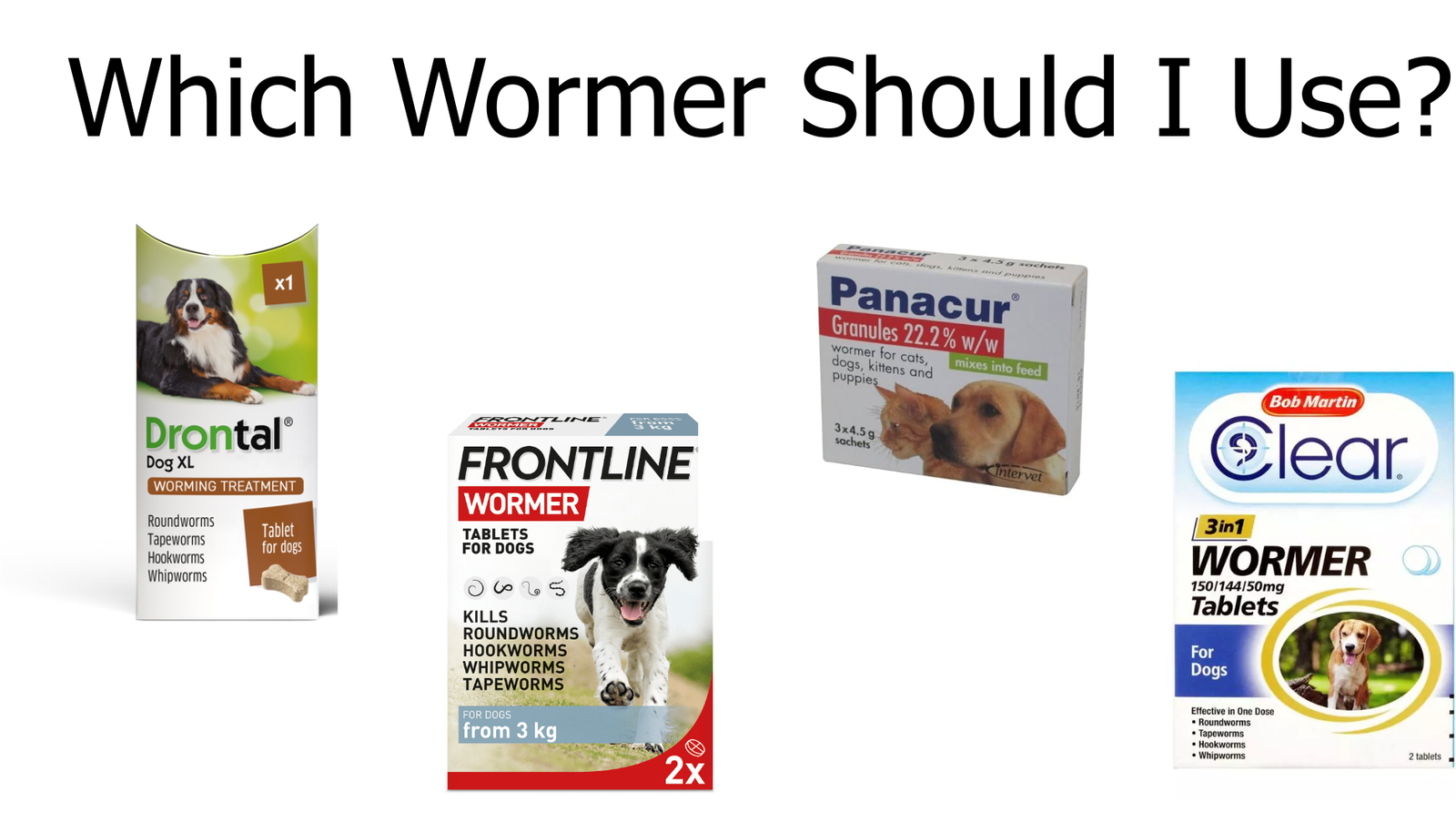
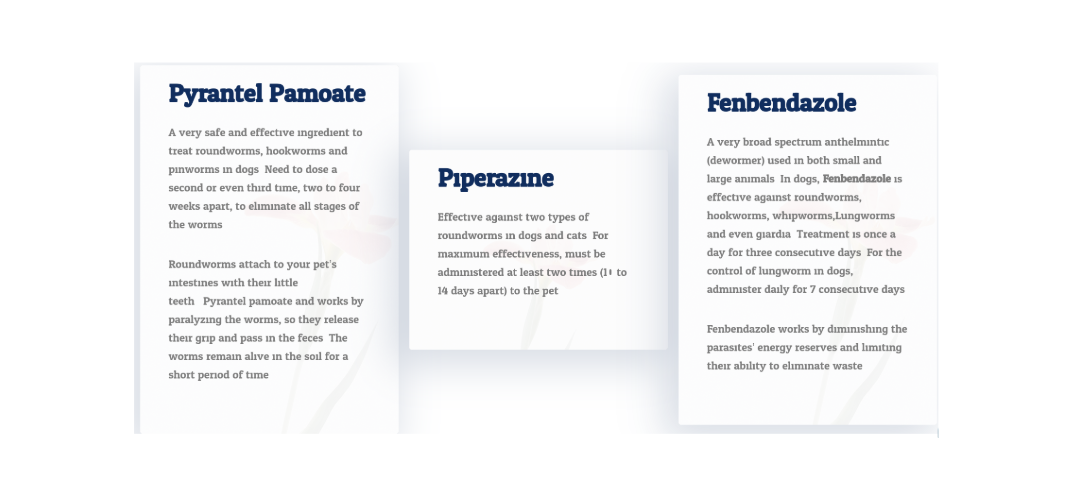
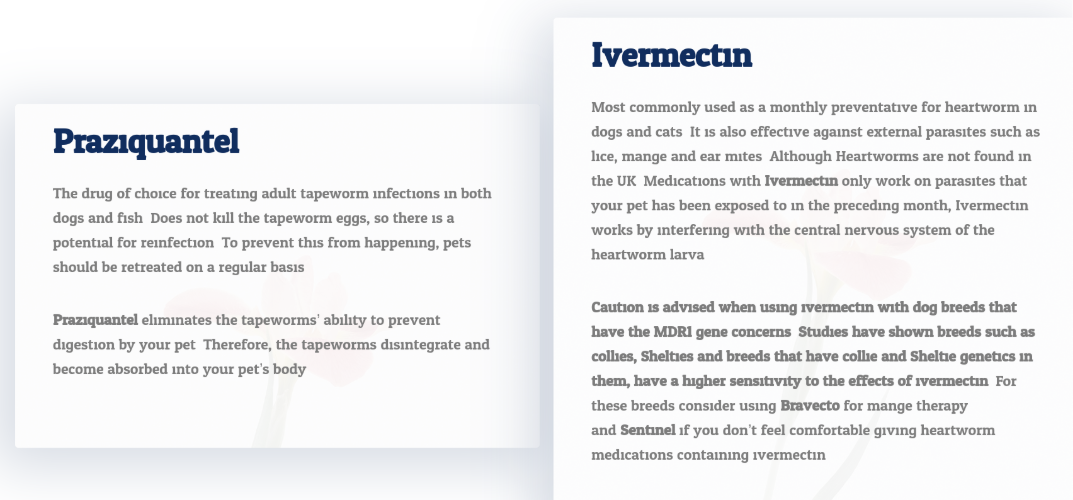
Which Active Ingredients are in which Wormers?
Wormers often have different active ingredients, so it’s important to know what each active ingredient does.
Here are the top five active ingredients in wormers
MDR1 (ABCB1) GENE: WHAT OWNERS OF HERDING BREEDS NEED TO KNOW
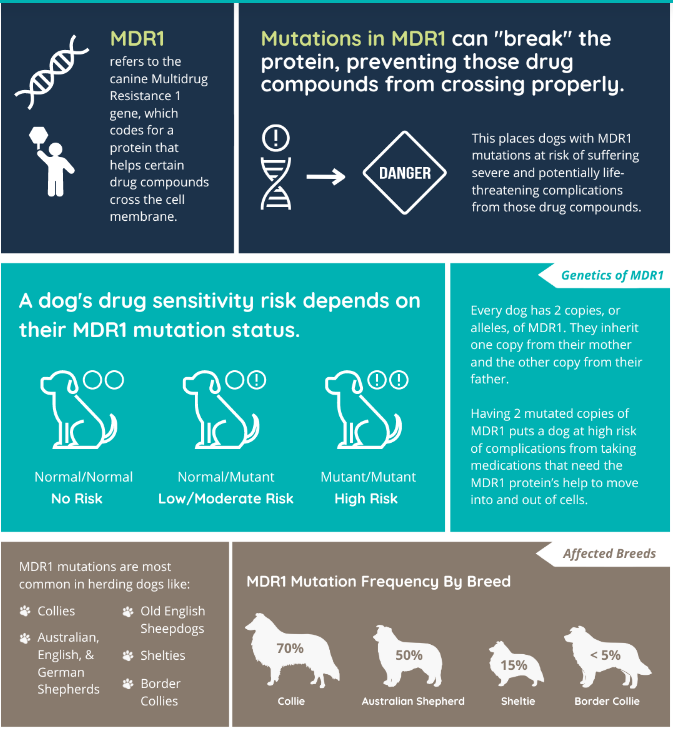
WHAT IS THE MDR1 GENE?
The MDR1 gene (now called ABCB1) makes a protein called P-glycoprotein, which pumps certain drugs out of the brain. Some dogs carry a faulty copy of the gene. Without a working pump, some drugs can build up in the brain and cause serious nervous signs.
A dog inherits one copy of the gene from each parent:
- Normal/Normal: no extra risk.
- Normal/Mutant (one faulty copy): may react to higher doses of some drugs.
- Mutant/Mutant (two faulty copies): most sensitive.
Your vet can test for the mutation with a cheek swab or blood sample. A dog only needs testing once.
WHICH BREEDS ARE AFFECTED?
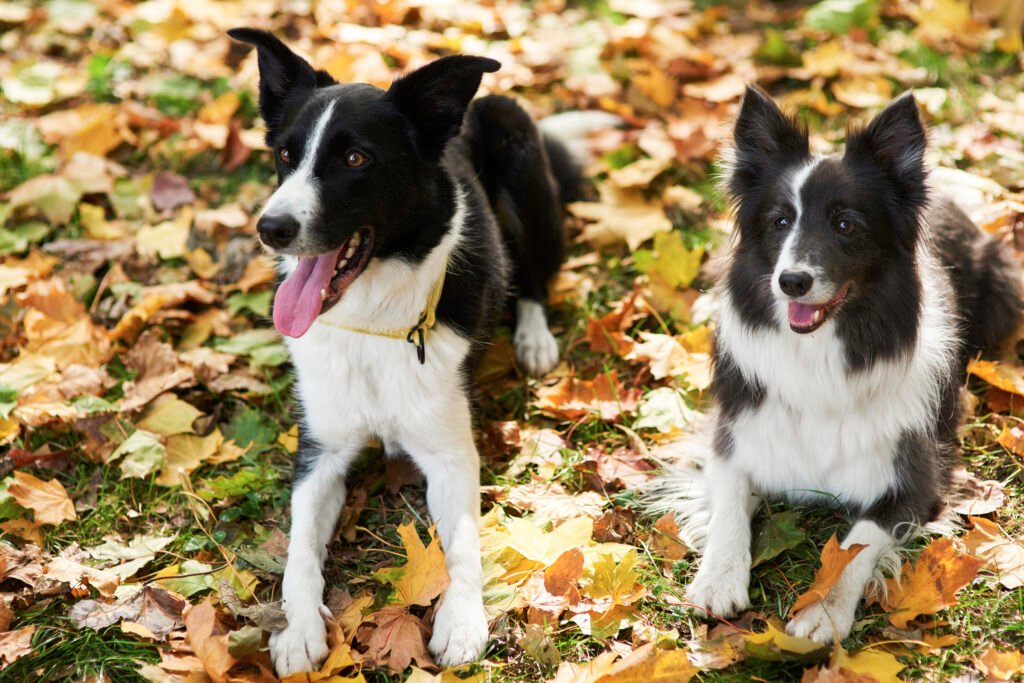
The mutation is most common in collies and other herding breeds, and in crosses of these breeds. Breeds where it is found include:
Rough and Smooth Collie, Border Collie, Shetland Sheepdog, Australian Shepherd, Old English Sheepdog, German Shepherd, English Shepherd, McNab, Longhaired Whippet and Silken Windhound.
If you have one of these breeds or a cross and don’t know its MDR1 status, treat it as possibly sensitive until it has been tested.
WHICH WORMERS ARE SAFE?
Licensed UK dog wormers used at the dose on the label are considered safe for MDR1 dogs. That includes products containing milbemycin oxime, moxidectin or selamectin. Some of these are the monthly products vets prescribe to prevent lungworm, so please don’t skip lungworm protection because your dog is a collie type. Research has found these drugs can be given safely to MDR1 dogs at preventive doses; the problems come with much higher doses.
The real risks are:
- Overdosing, for example guessing your dog’s weight or using a product meant for a bigger dog.
- Livestock or horse wormers such as ivermectin, doramectin or moxidectin products made for cattle, sheep or horses. Never give these to a dog, and stop your dog eating dung from animals that have just been wormed, or any dropped wormer paste.
- High-dose treatments, such as some mange treatments, which your vet will plan around your dog’s MDR1 status.
Some other medicines, including loperamide (an anti-diarrhoea drug), acepromazine, butorphanol and some cancer drugs, also need extra care. Emodepside, found in some wormers, should be used with caution in MDR1 dogs. Always tell your vet, pharmacist or SQP if your dog is MDR1 positive or an untested herding breed.
WHAT SIGNS SHOULD I WATCH FOR?
If an MDR1 dog has too much of a sensitive drug, signs usually start soon after the dose and can include drooling, wobbliness, weakness, confusion, tremors, dilated pupils, blindness, seizures and collapse. Call your vet straight away if you see any of these after giving a medicine or after your dog has eaten livestock dung or wormer paste. With prompt supportive care most dogs recover, although it can take some time.
WHAT SHOULD I ASK MY BREEDER?
If you are looking to adopt one of the breeds listed above or a mixed breed that appears to have any mixture of the above breeds, see if the breeder has had the puppy or parents tested. A dog only needs to be tested once in its life as its DNA won’t change.
Breeders should give preference to breeding dogs with Normal/Normal MDR1 status, but simply removing all those that are not Normal/Normal would likely deplete the breeding stock too much. If there were not enough dogs to contribute to the gene pool then new genetic diseases or other health issues would become predominant, instead. Therefore, breeders should consider the mutation a fault like any other and weigh it against the other pros and cons of breeding any particular dog.
If your breeder has completed the testing on either the puppy or the parents, please be sure you have a copy of the results to give to your veterinarian so they can be treated appropriately. If the puppy has been purchased for breeding, MDR1 testing should be considered as important as any other test for that breed.
TALKING TO YOUR VET
Make sure every vet practice you use knows your dog’s MDR1 status, so they can choose medicines and doses safely. If you don’t know it yet, your vet can arrange the test and keep the result on file.